


Industrie is a modern factory website. specifically designed for who need construction, firms, oil, architecture and any other small business.

Subscribe & Follow

Blog

Why Preventive Electrical Maintenance is Essential for Commercial Buildings

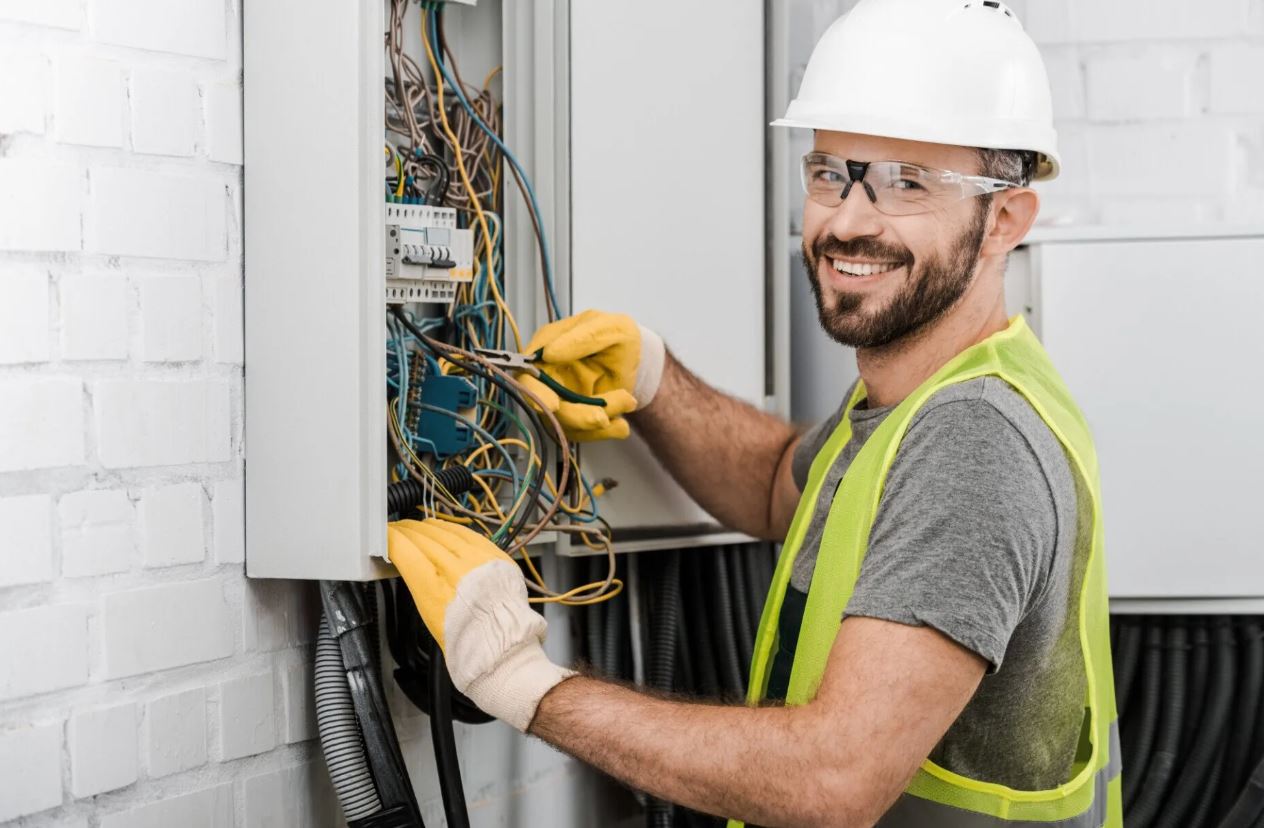
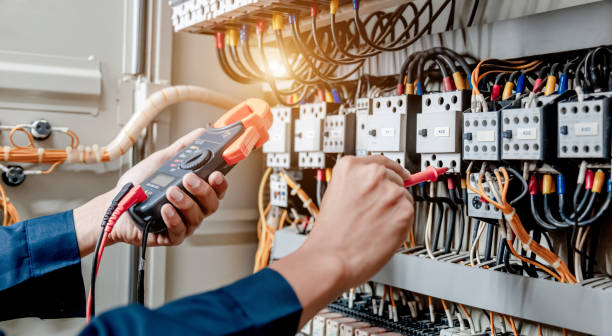
Electrical systems are the backbone of every commercial building, powering everything from lighting and HVAC systems to office equipment and security devices. Over time, electrical components undergo wear and tear, leading to unexpected breakdowns, safety hazards, and energy inefficiencies. This is where preventive electrical maintenance becomes a crucial practice. Preventive maintenance involves routine inspections, testing, and servicing of electrical infrastructure to ensure that everything is functioning safely and efficiently. Regular maintenance not only reduces the risk of electrical failures but also extends the lifespan of equipment and minimizes operational downtime. For business owners and facility managers, scheduled electrical maintenance means fewer disruptions and improved workplace safety. It helps identify issues such as loose wiring, overloaded circuits, insulation damage, and faulty breakers before they turn into costly repairs or fire hazards. Additionally, preventive maintenance leads to energy savings, as well-calibrated systems consume less power and reduce utility bills. Partnering with a professional electrical contractor ensures compliance with local electrical codes and safety standards, providing peace of mind for both employees and business owners. Investing in preventive electrical maintenance is not just a smart decision—it’s a responsible one that protects people, property, and productivity.
Top Electrical Safety Tips for Homeowners

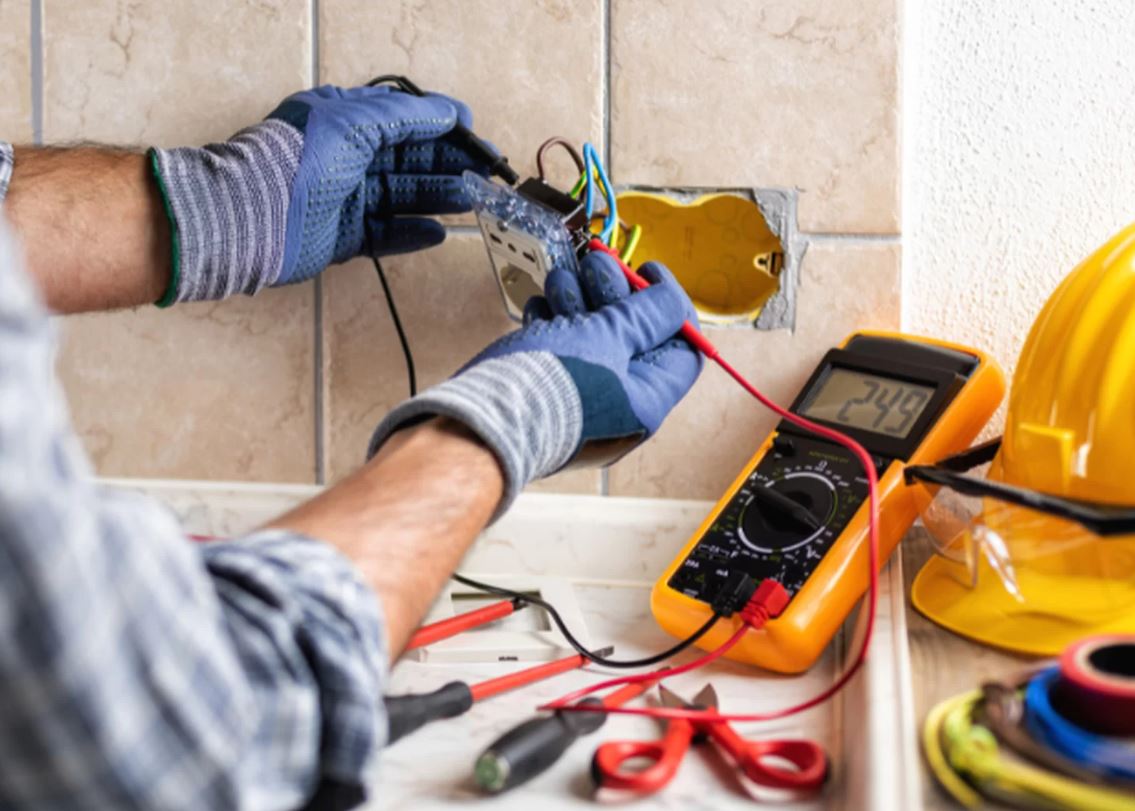
Electricity is an essential part of modern living, but improper usage or neglected electrical systems can pose serious safety risks at home. Homeowners often overlook basic electrical safety practices, leading to avoidable accidents, fires, and equipment damage. One of the most important safety measures is regular inspection of wiring systems, especially in older homes. Outdated or worn-out wiring can cause power fluctuations and short circuits. Ensure that all cords and plugs are in good condition, and never overload power strips or outlets. Another key safety tip is to avoid handling electrical appliances with wet hands or near water sources. Bathrooms, kitchens, and outdoor spaces should always have GFCI (Ground Fault Circuit Interrupter) outlets to prevent electrical shock. It's also essential to teach children about electrical safety and keep cords and appliances out of their reach. If you notice flickering lights, burning smells, frequent tripping of breakers, or buzzing sounds from electrical panels, contact a licensed electrician immediately. DIY fixes for electrical problems can be dangerous and often worsen the issue. Prioritizing electrical safety at home protects your family and property. Simple preventive actions and timely professional inspections can make your home a safer place for everyone.

How Energy-Efficient Electrical Solutions Can Reduce Your Power Bills

With rising electricity costs, homeowners and businesses are looking for effective ways to reduce energy consumption without compromising convenience. Energy-efficient electrical solutions offer a smart and sustainable approach to lowering monthly power bills while improving overall system performance. One of the most impactful upgrades is switching to LED lighting, which consumes significantly less energy and lasts longer than traditional bulbs. Automated lighting systems, sensors, and timers also help eliminate wastage by turning off lights when not in use. Energy-efficient appliances and smart home systems further enhance savings by optimizing electricity usage. Installing modern electrical panels and energy-efficient HVAC systems ensures improved load management and reduces unnecessary power draw. For commercial establishments, conducting regular energy audits by a certified electrical contractor can uncover inefficiencies and provide tailored solutions. These may include power factor correction, load balancing, and upgrading outdated electrical infrastructure. Investing in energy-efficient electrical solutions not only lowers electricity costs—it also supports environmental sustainability and enhances property value. Over time, the savings gained from reduced energy consumption make these upgrades a smart financial decision.

Why You Should Always Hire a Licensed Electrical Contractor

Electrical work requires precision, expertise, and strict safety compliance. While DIY electrical fixes may seem cost-efficient, they can lead to serious risks, expensive repairs, and electrical hazards. Hiring a licensed electrical contractor is essential to ensure safe, high-quality, and reliable electrical services. Licensed professionals are trained to handle installations, repairs, and maintenance in accordance with safety codes and regulations. They have the knowledge to assess electrical issues accurately and provide long-lasting solutions. Licensed contractors also use standard-approved materials and follow proper installation practices, reducing the risk of short circuits, fire hazards, and malfunctioning systems. Additionally, licensed electrical contractors carry liability insurance, which protects the client from unexpected damages or accidents. This provides peace of mind, knowing that your property and investment are safeguarded. Whether it's a new installation, major wiring upgrade, or troubleshooting, hiring a licensed contractor ensures that the job is done right the first time. It also helps maintain the resale value of your property, as potential buyers often check for certified electrical work. Choosing a licensed electrical contractor is not just about compliance—it’s about safety, reliability, and long-term value.

Common Electrical Problems in Homes and How to Fix Them

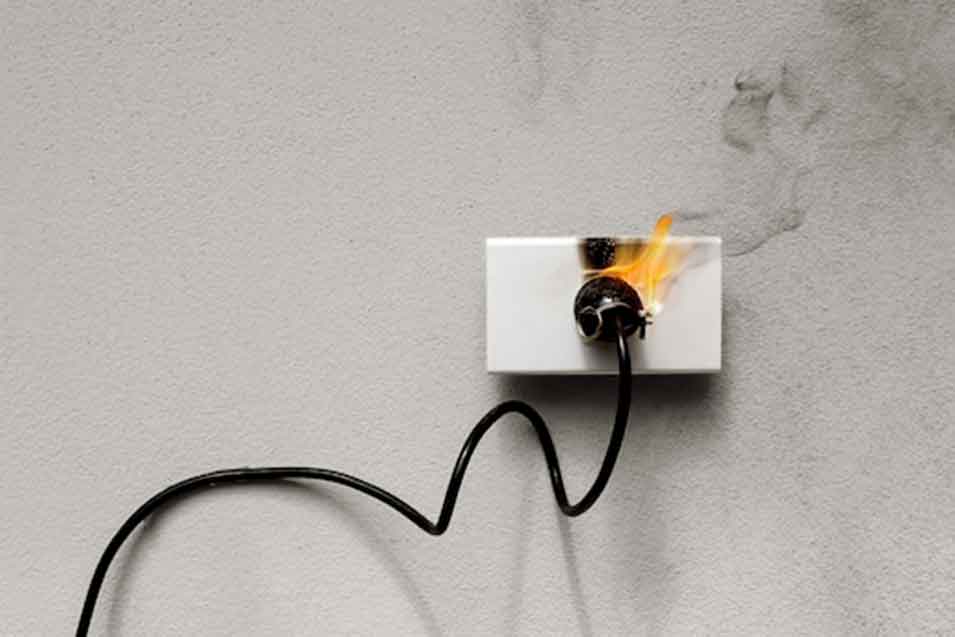
Electrical issues are common in households, and while some are minor, others may indicate serious underlying problems. Identifying early warning signs can prevent costly repairs and ensure the safety of your family and property. One of the most frequent problems homeowners face is tripping circuit breakers. This usually occurs due to overloaded circuits or faulty appliances. If your breaker trips repeatedly, it’s advisable to consult a professional to inspect your wiring and load distribution. Flickering lights are another sign of electrical instability. This could be caused by loose wiring, voltage fluctuations, or defective fixtures. Ignoring it may lead to more serious electrical hazards. Burning smells or discolored switch plates indicate overheating and potential fire risks. Turn off the main power supply immediately and call an electrician. Similarly, frequent bulb burnouts can signal poorly connected circuits or high voltage supply. To fix electrical problems effectively, avoid DIY experiments—especially when dealing with wiring or electrical panels. A licensed electrician can diagnose the root cause and ensure safe repairs. Timely attention to electrical issues keeps your home safe, prevents damage to devices, and saves money in the long run.

Sreyas.co.in